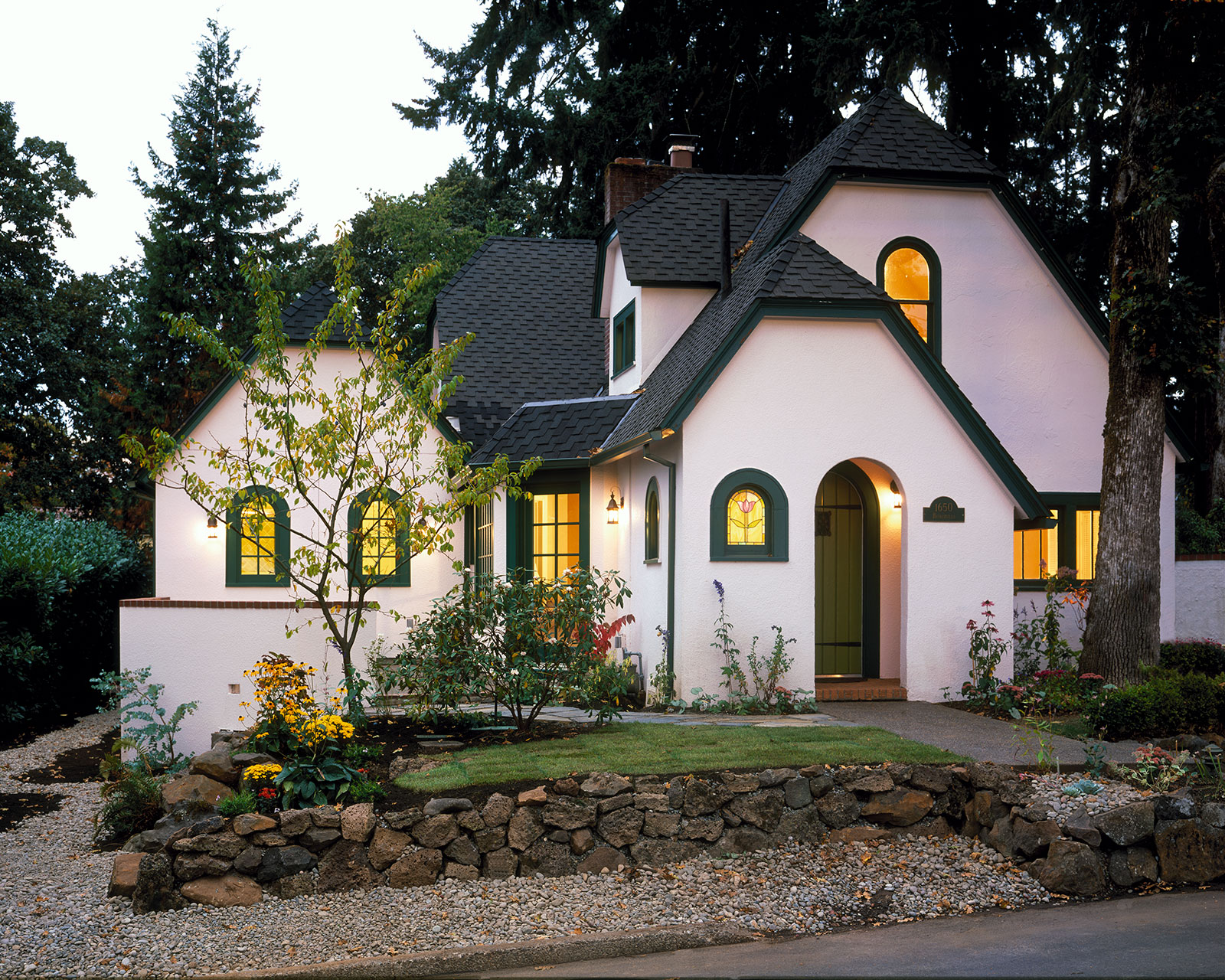
Owning a historic home comes with a certain kind of responsibility.
Across Oregon’s Willamette Valley, many homes built in the early 20th century still carry the craftsmanship, materials, and architectural details that defined their era. Deep Craftsman rooflines, hand-milled trim, original windows, and thoughtfully proportioned rooms give these homes a presence that modern construction rarely achieves.
It’s often exactly what homeowners fall in love with.
But homes are meant to support real life, and over time the way we live evolves. Kitchens that once felt generous may now feel tight. Families grow, work-from-home space becomes necessary, and many homeowners begin thinking about how their home can support comfort, safety, and ease of living in the years ahead. These kinds of everyday improvements begin to feel like a worthwhile investment.
That’s when many homeowners start asking an important question:
Can we expand our historic home without losing the character that made us love it in the first place?
With the right approach, the answer is yes. In fact, when an addition is thoughtfully designed, it can feel like the natural next chapter in the life of the home.
Understanding the Architecture Before Changing It
Historic homes were rarely built from standardized plans or factory-produced materials. Millwork was often custom-designed, materials were sourced locally, and architectural details were shaped by craftsmen who understood proportion and balance.
Because of this, remodeling a historic home begins with understanding its architecture.
Every home has defining characteristics that contribute to its charm—window proportions, rooflines, siding patterns and materials, interior trim, and the rhythm of architectural details throughout the structure. These elements create the visual language of the home.
A successful addition respects that language.
Rather than competing with the existing architecture, the new space should feel like a natural extension of what already exists – reinforcing the qualities that made the home special in the first place.
The Balance Between Replication and Compatibility
One of the first design decisions homeowners face is how closely the addition should match the original home.
Some homeowners prefer a purist approach, where architectural details are replicated in every way. If the home has a unique trim profile, for example, it may require fabricating a custom milling knife to recreate that exact detail. In historic homes, that level of craftsmanship can be part of preserving authenticity.
Others prefer an approach that is architecturally compatible rather than identical. Instead of reproducing every element, the goal becomes maintaining the proportions, materials, and character of the home so the addition feels appropriate without being a perfect replica. This approach can achieve a very similar result while allowing for greater flexibility in materials, timeline, and overall investment.
Ultimately, the right approach depends on the homeowner’s goals and how closely they want the new work to reflect the original architecture. Neither approach is inherently right or wrong. What matters most is that the new work respects the scale and architectural integrity of the original structure.
When that alignment is achieved, the addition begins to feel like it has always belonged.
Let the Home’s Story Guide the Design
Historic homes throughout Oregon often reflect architectural styles that were popular in their time.
Craftsman and bungalow homes emphasize natural materials and strong horizontal lines. Victorian and Queen Anne homes feature decorative trim and varied textures. Tudor Revival homes carry steep rooflines and masonry elements, while Colonial Revival homes tend toward symmetry and classic proportions.
Each style has its own design logic.
Before an addition is designed, it helps to identify what gives the home its character, and what you love about it most. Sometimes it’s the craftsmanship in the millwork. Other times it’s the pattern of windows across the façade or the materials that define the exterior.
Once those defining elements are understood, the addition can be designed in a way that continues the home’s architectural story rather than interrupting it.
Creating Space for Modern Living
Most homeowners pursue additions for a very practical reason: they want their home to work better for the way they live today.
The most successful historic additions don’t simply add square footage — they improve how the entire home works together. That might mean opening the kitchen to the living space, creating an accessible primary suite, adding a family room, or improving the connection between indoor and outdoor areas.
These kinds of improvements can dramatically change how a home functions.
The key is integrating those updates in a way that still respects the original architecture.
Exterior materials should feel related to the existing home. Window sizes and spacing should follow the established proportions. Rooflines should transition naturally so the addition reads as part of the structure rather than a separate attachment.
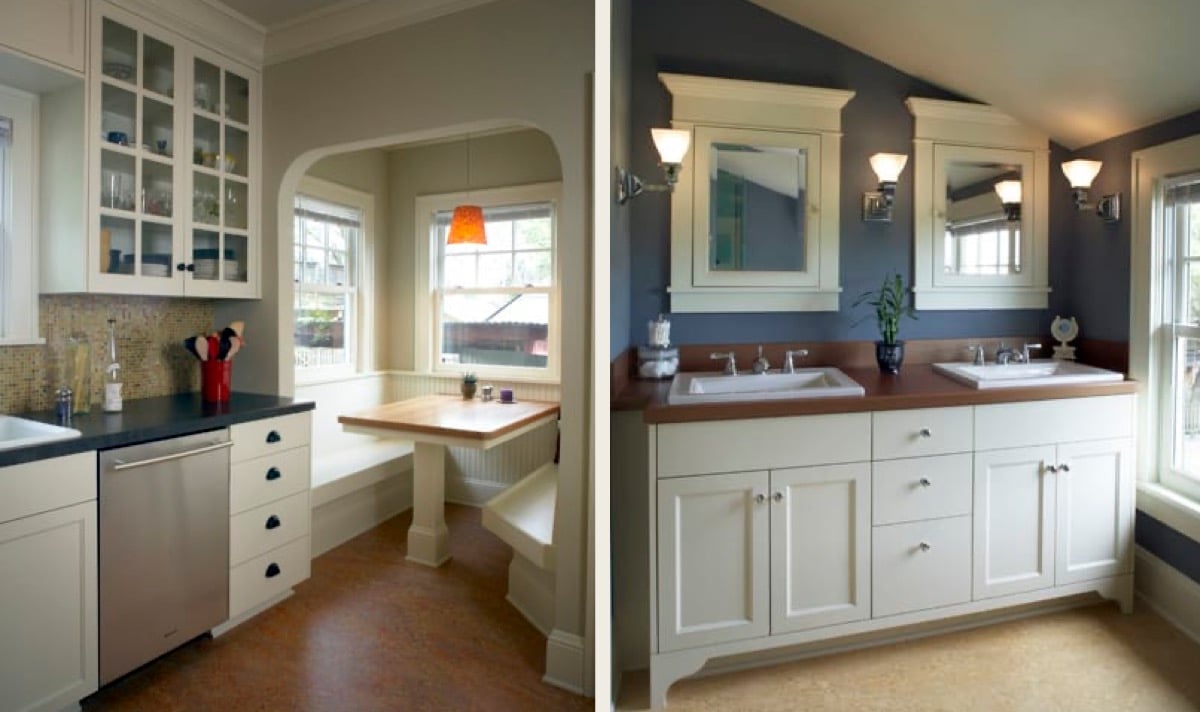
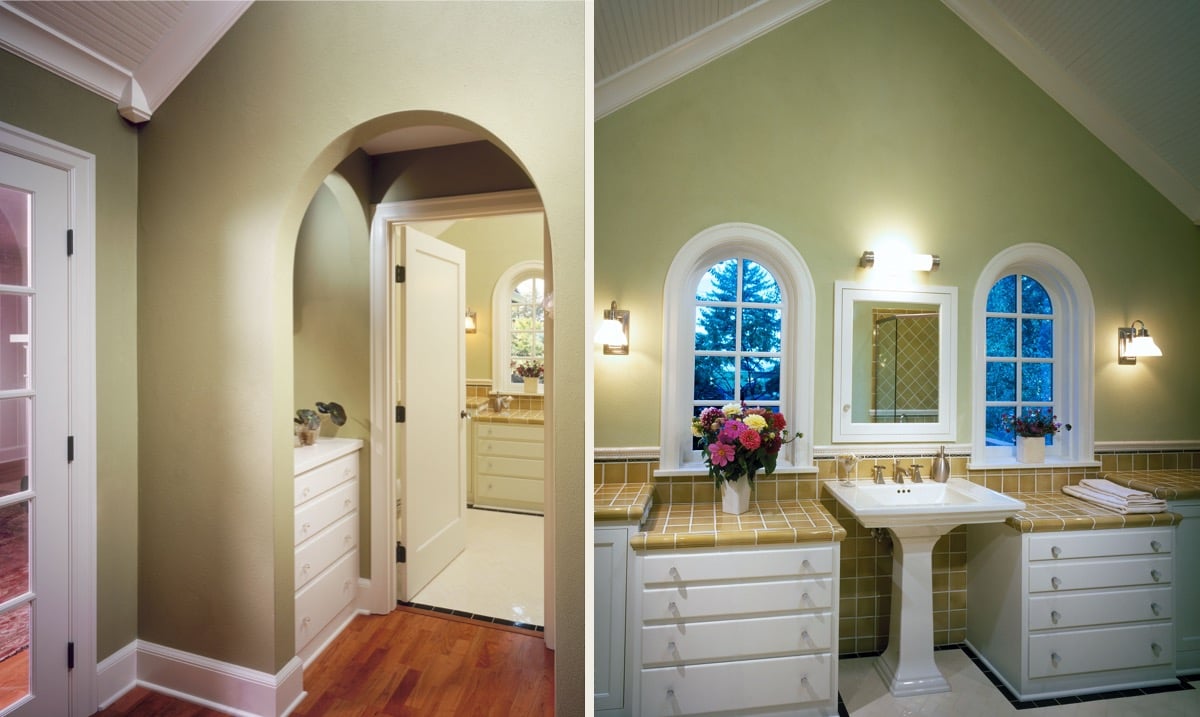
Inside the home, modern conveniences can still feel appropriate when they’re layered thoughtfully. Lighting, cabinetry, hardware, and finishes can reference the character of the home while still meeting the expectations of contemporary living.
When handled well, the result is a home that feels both timeless and comfortable.
Navigating Historic Design Review
Some historic homes in Salem, Portland, and surrounding areas fall within designated historic districts or carry local landmark status.
In these cases, additions may go through a historic design review process before construction begins. Cities like Salem review projects to ensure that proposed changes respect the architectural character of the neighborhood.
Review boards typically consider factors such as:
- The size and scale of the addition
- Visibility from the street
- Exterior materials
- Architectural compatibility with surrounding homes
In certain situations, projects may involve public notice or a hearing before approval.
While this process can feel unfamiliar at first, its purpose is simply to preserve the historic character of the home, and its neighborhood. With early planning and a team familiar with historic restoration, the process is typically straightforward.
Key Principles of a Successful Historic Home Addition
While every historic home is different, the most successful additions tend to follow a few consistent design principles.
These guidelines help ensure the new space feels like a natural extension of the original home rather than an afterthought.
Respect the scale of the original structure
The addition should support the home, not overwhelm it. Maintaining appropriate proportions helps preserve the architectural balance that gives historic homes their presence.
Let the original home remain the focal point
Placing additions toward the rear or side of the home often allows the historic façade to remain visually dominant from the street.
Align architectural details
Rooflines, window proportions, siding exposure, and trim details should relate closely to the existing architecture so the addition feels cohesive.
Use materials thoughtfully
Exterior materials should complement the original home in both color and texture. Even when using modern materials, careful selection can maintain architectural harmony.
Preserve defining features whenever possible
Built-ins, millwork, fireplaces, and original windows often contribute significantly to the home’s character. Incorporating these elements into the new design helps anchor the home’s identity.
When these principles guide the design process, additions tend to feel intentional — as though they were always meant to be part of the home.
Why Historic Homes Require a Different Process
Remodeling a historic home often involves a bit more care and planning than a typical renovation.
Before design begins, the team must first understand the home itself—its architecture, materials, and how it was originally constructed. This may include architectural research, careful measurements, and documenting existing details so new work can connect to the home in a thoughtful way.
Materials sometimes need to be sourced from specialty suppliers, and certain architectural elements require the kind of craftsmanship needed to thoughtfully reproduce historic details using modern techniques.
Because of these considerations, the remodeling process becomes especially important.
An integrated design-build approach can be particularly valuable in historic remodels. When design, budgeting, and construction planning happen together, homeowners gain a clearer understanding of what is possible early in the process.
This allows design decisions to align with both the architectural integrity of the home and the homeowner’s investment goals before construction begins.
Considering an Addition to Your Historic Home?
Adding onto a historic home requires more than extra square footage. It requires thoughtful planning, architectural sensitivity, and a process that protects what makes your home special.
If you’re still exploring your options, download our Home Additions Guide to better understand what goes into designing an addition that truly fits.

If you’re ready to discuss your home, your architectural style, and what compatibility could look like for your specific property, schedule a conversation with our team. Schedule a Home Remodeling Discovery Session
Your home’s history deserves careful consideration. We’re here to help you plan the next chapter with intention.