Contents
When Your Home No Longer Fits the Life You’re Living
Homes can stop working for many reasons.
Sometimes it’s practical. Cabinets are worn out. Storage no longer meets daily needs. Maintenance has been postponed, and systems don’t perform the way they should. In other cases, the home itself is sound—but the way it supports daily life has fallen out of step with how you live today.
A primary bedroom that once felt comfortable may now feel cramped. A kitchen that handled everyday meals may struggle to support how you currently cook and gather. Light, comfort, and flow—details that once went unnoticed—become more important over time.
In moments like these, homeowners often realize they truly do need more space. But most importantly, they need the right kind of space—space that reflects how their priorities, routines, and expectations have changed.

Home additions are sometimes described as luxury upgrades. In reality, they’re often a response to very real needs. As life evolves, homes must evolve with it. What once worked no longer does, and adapting the home becomes necessary to restore comfort, functionality, and enjoyment.
Across Salem, Portland, and communities throughout the Willamette Valley, many homeowners are choosing to invest in the homes they already love rather than relocate. Established neighborhoods, connection to place, and a desire for continuity all play a role. When done well, an addition allows homeowners to stay rooted while living more comfortably.
Well-designed additions aren’t just about adding square footage. They transform your home to enhance daily life, support how you live now, and adapt as your needs evolve. This guide is designed to help you think intentionally about expanding your home—so the spaces you add feel purposeful, flexible, and built to serve you well for years to come.
"Kraft Custom Construction Inc. is the epitome of a great, professional construction contractor. Their team works with their client to determine what the client wants and works diligently to assure those desires are met. I loved being heard, and having results that exceeded my expectations.
- review by Judy B.
Download your personal copy of the eBook - Expanding Your Home With Purpose: How Thoughtful Additions Support the Way You Want to Live by completing the form to the right.
Download Now
How Homeowners Use Additions to Support the Way They Live
Every addition starts with a specific need. While the designs may look different, the motivation is often the same: creating space that works better for everyday life.
Expanding for Gathering and Connection
Kitchens and main living areas are often the first spaces to show strain. What once worked for everyday meals may no longer support how homeowners cook, gather, or entertain.
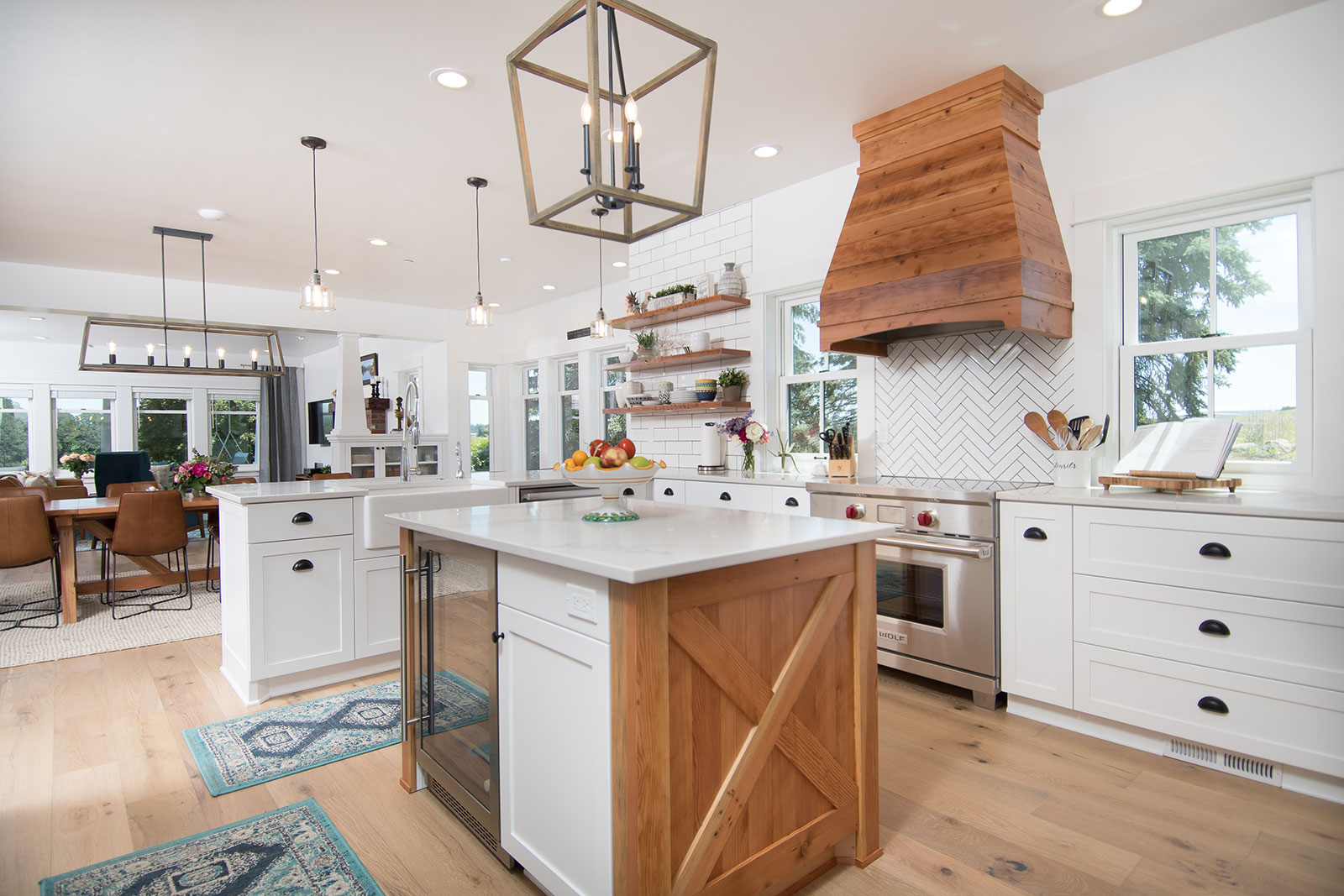
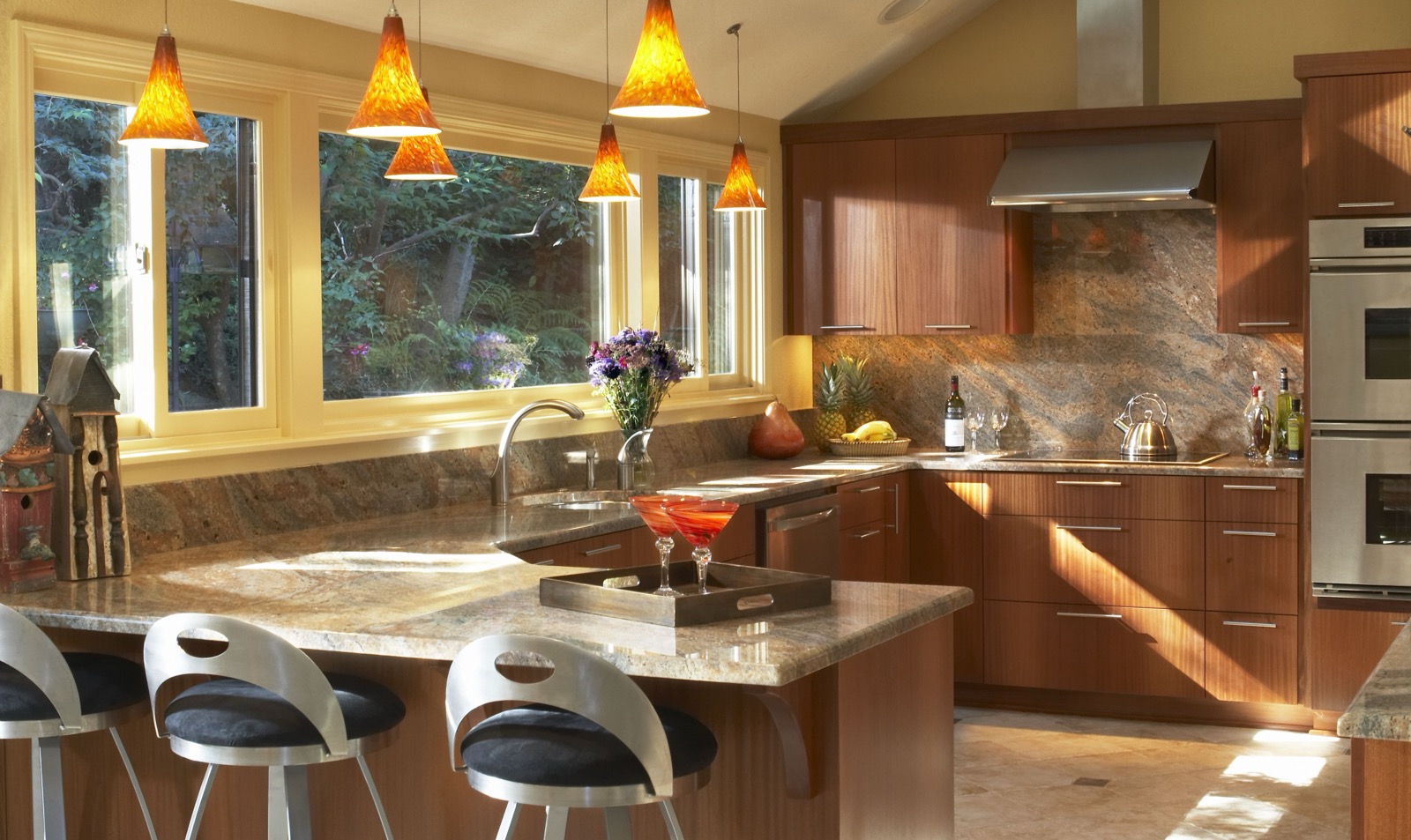
Kitchen and great room additions are frequently driven by very practical concerns—limited counter space, tight walkways, poor flow, or insufficient seating or storage. By expanding these spaces, homeowners gain room to cook efficiently, move comfortably, and gather without congestion.
When function improves, connection follows. These additions often become the heart of the home, supporting both everyday living and special occasions with ease.
Expanding for Comfort, Function, and Restoration
For many homeowners, their primary suite no longer functions the way it should. The bedroom may feel undersized or lack storage, while the bathroom may feel tight, inefficient, or difficult to move through comfortably. Over time, what should feel restorative can become frustrating or limiting.
Expanding or reworking a primary suite resolves these challenges by improving flow, storage, and ease of use throughout both the bedroom and bathroom. When those fundamentals are in place, the suite can become more calming and enjoyable, supporting better daily routines from morning through evening.
The benefits of an expanded primary suite are felt daily. The added value comes when the space feels personal, well considered, and designed to support rest and restoration.
Expanding for Light, Enjoyment, and Daily Use
For some homeowners, function remains the primary driver. For others, improving how a space feels becomes equally important.
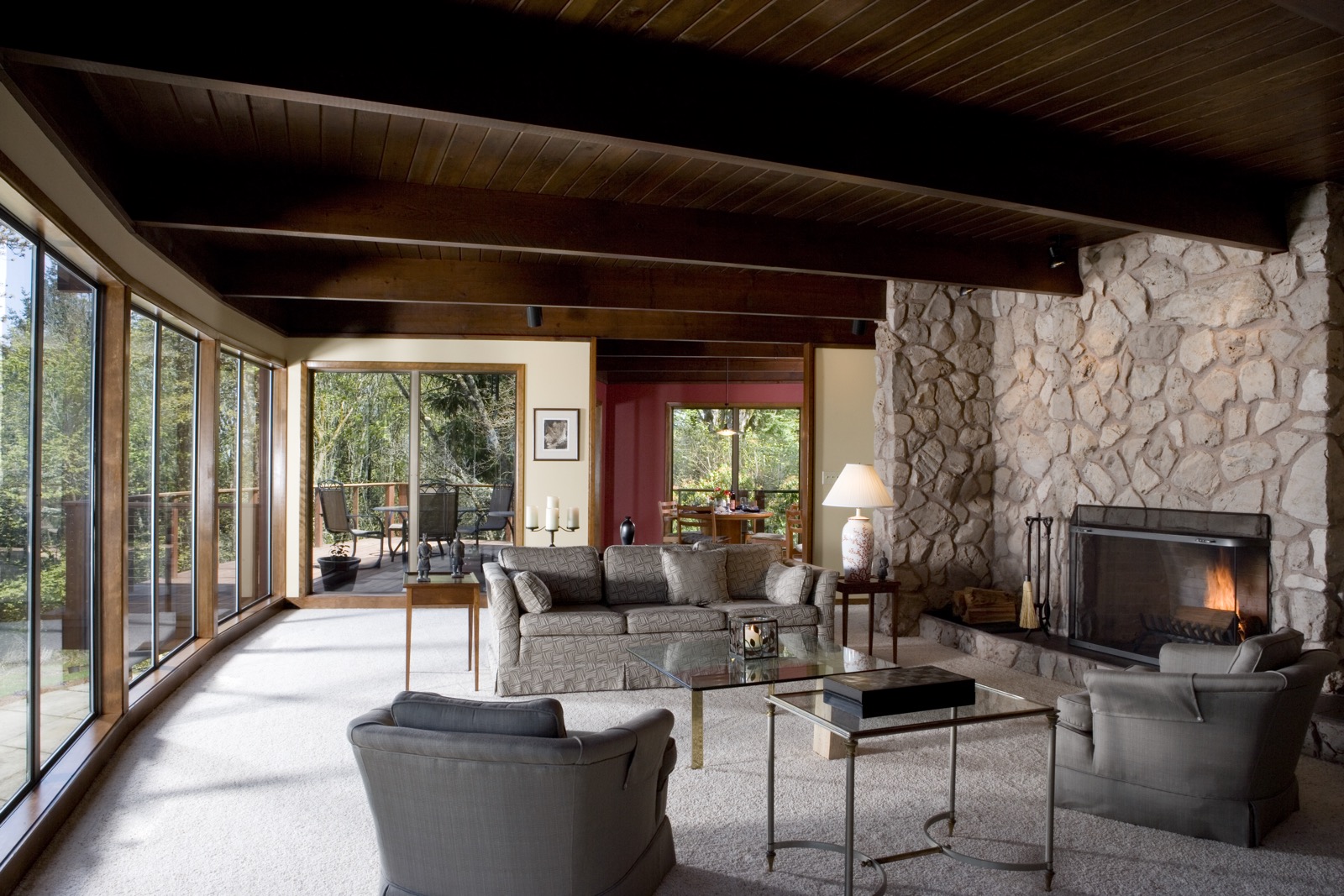
Sunrooms and light-filled living space additions often serve both purposes. They provide usable square footage while also bringing in natural light and creating a stronger connection to the outdoors. These spaces are used regularly—for reading, relaxing, or simply enjoying the view—and are designed to be comfortable, practical, and inviting.
In these cases, the goal isn’t choosing experience over function, but creating a space that perfectly balances the two.

Expanding for Family and Life’s Transitions
As families grow and circumstances shift, the way a home needs to function often changes as well. A new child may require an additional bedroom or shared family space, while aging parents may need a private, accessible suite that allows them to live close while maintaining independence.
Additions designed for family living focus on flexibility, privacy, and long-term usability. Whether it’s creating space for children to grow, welcoming extended family, or supporting multi-generational living, these additions are planned to meet immediate needs while remaining adaptable over time.
When done well, family-focused additions strengthen connection without sacrificing comfort or autonomy—allowing everyone to live together more easily, with space that supports both togetherness and independence.

Expanding for Focus and Flexibility
As work, hobbies, and personal interests increasingly take place at home, dedicated space becomes essential. Offices, studios, and multi-use rooms allow focused activities to exist without overtaking shared living areas.
When planned thoughtfully, these additions are sized and laid out to function well today while remaining flexible for the future—allowing the space to evolve without requiring another major renovation.
Across all of these examples, successful additions begin by addressing fundamental needs: space, layout, and function. When those needs are met, thoughtful design enhances comfort, usability, and long-term satisfaction—making daily life feel easier and more aligned with how homeowners want to live.

CUSTOMER EXAMPLE: REPURPOSING ON EXISTING STRUCTURE
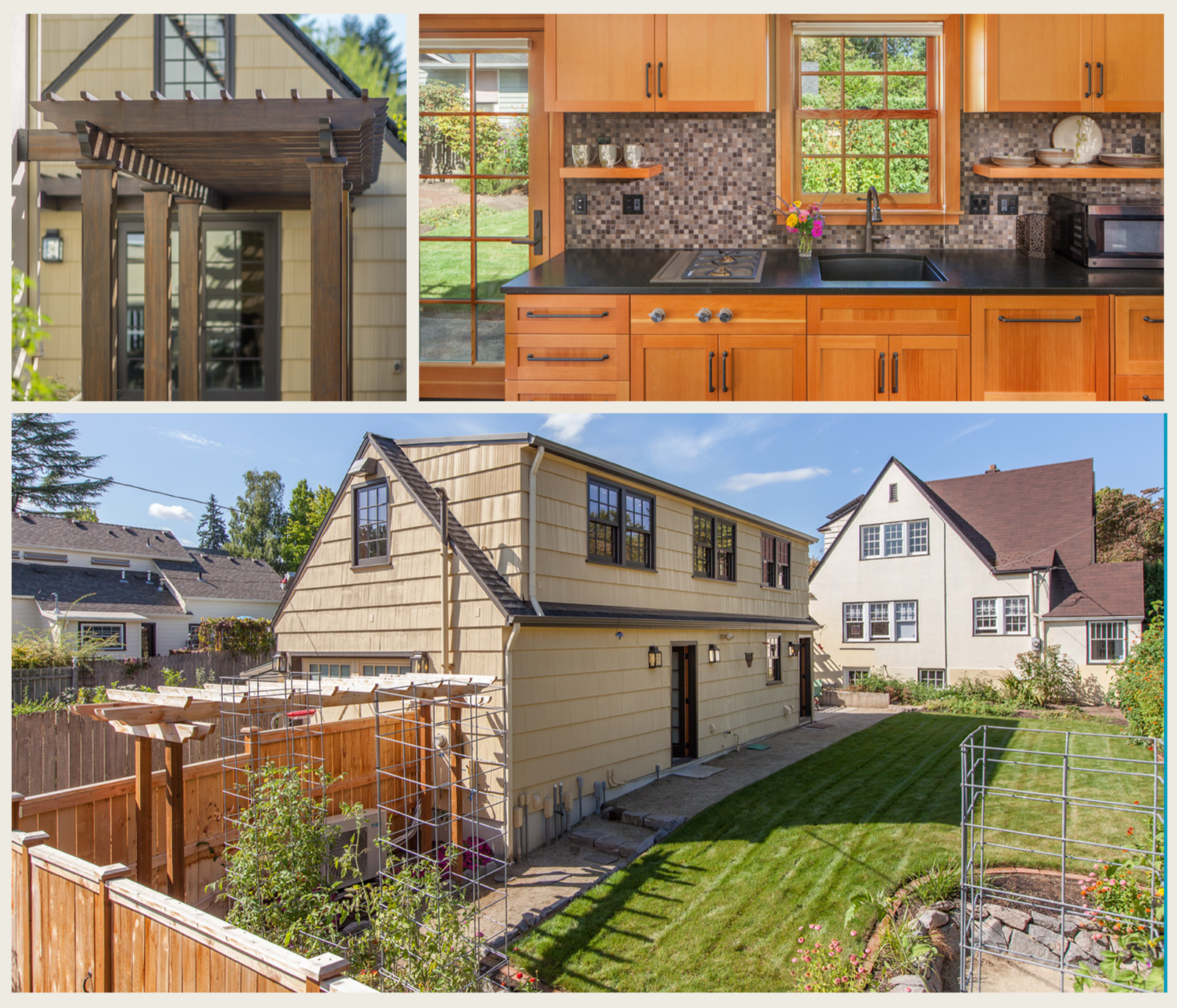
In one project, Kraft Custom Construction transformed an underutilized carriage house into a fully livable space. Rather than expanding the main home, the project focused on reimagining what already existed on the property.
While the structure ultimately functioned as an independent living space, the real challenge was integration—evaluating zoning, code requirements, utilities, and structural conditions to ensure the finished environment felt intentional and well-integrated with the primary house. The result was a thoughtfully repurposed building that complemented the property and expanded its usefulness without altering the home’s original footprint.
This project illustrates how careful planning and design can unlock new possibilities—supporting changing needs while respecting what’s already there.
Why Homeowners Choose to Expand Instead of Move
Moving can solve a space problem, but it isn’t always the right solution.
For many homeowners in Salem, Portland, and nearby communities, their homes are deeply connected to their lives. They value their neighborhood, their property and surrounding land, proximity to friends and family, and the sense of place they’ve built over time. The cost, disruption, and uncertainty of relocating often outweigh the appeal of starting fresh.
Expanding allows homeowners to:
- Preserve what they love about their home
- Improve what no longer works
- Avoid the upheaval of moving
- Invest in the home they already love, without starting over elsewhere
In established neighborhoods, additions also provide a way to adapt homes to modern lifestyles while maintaining the character of the area. Rather than leaving, homeowners choose to invest in making their homes work better for the long term.

Designing an Addition That Truly Belongs
One of the most important aspects of a successful addition is how naturally it integrates with the rest of the home.
Designers focus on how new and existing spaces connect—how people move through the home, how rooms relate to one another, and how natural light flows throughout. These considerations shape comfort and usability as much as square footage does.
Exterior design plays an equally important role. Scale, rooflines, and materials must complement the original structure so the home feels balanced and cohesive. Inside, transitions matter just as much. Flooring, millwork, ceiling heights, and detailing are often extended beyond the addition itself to create continuity.
When design is approached holistically, the finished home feels complete—never pieced together.

Thinking Beyond Today: Designing Space That Can Adapt
The most successful additions are designed to meet today’s needs while keeping the future in mind.
Flexible spaces allow homes to evolve alongside the people who live in them. Guest rooms may become offices. Offices may become creative studios. Living areas may shift in purpose over time.
Designers also incorporate universal design principles—not as a response to age, but as a way to make homes more comfortable and accessible for everyone. Wider pathways, improved lighting, smooth flooring transitions, and intuitive layouts support people of different abilities and stages of life.
Designing with adaptability in mind reduces future disruption and helps ensure the home continues to support daily life with ease.
Local Planning and Zoning Considerations in the Willamette Valley
Every successful addition starts with understanding what’s possible on your specific property.
Setbacks, lot coverage, height limits, and neighborhood overlays can all shape what you’re able to build—and these rules vary by city and even by neighborhood.
A thoughtful design-build team will research these requirements early, alongside existing conditions like utilities, grading, and structural constraints, so you can make informed decisions with fewer surprises later. In Salem, for example, professionals often reference the city’s land use and zoning code when evaluating feasibility.
With the right information upfront, planning becomes a clear path forward—turning your goals into a design that can actually be built.

Why Thoughtful Planning Makes All the Difference
Thoughtful planning is what transforms ideas into spaces that truly work.
Additions involve many interconnected decisions, from layout and structure to systems and finishes. A guided planning process brings clarity, helping homeowners understand their options and make confident choices before construction begins.
Effective planning:
- Aligns the new space with how you live (not just what you can fit)
- Ensures the addition feels cohesive—inside and out
- Coordinates structure, systems, and finishes before construction begins
- Identifies constraints early, reducing costly surprises and redesigns
- Creates a clearer scope, timeline, and decision path—so the process feels manageable
When homeowners are supported by a team that listens carefully, designs with intention, and plans for long-term comfort, the result is not just a successful project—but a home that feels right.
CUSTOMER EXAMPLE: WHEN AN ADDITION LEADS TO A BIGGER RETHINK
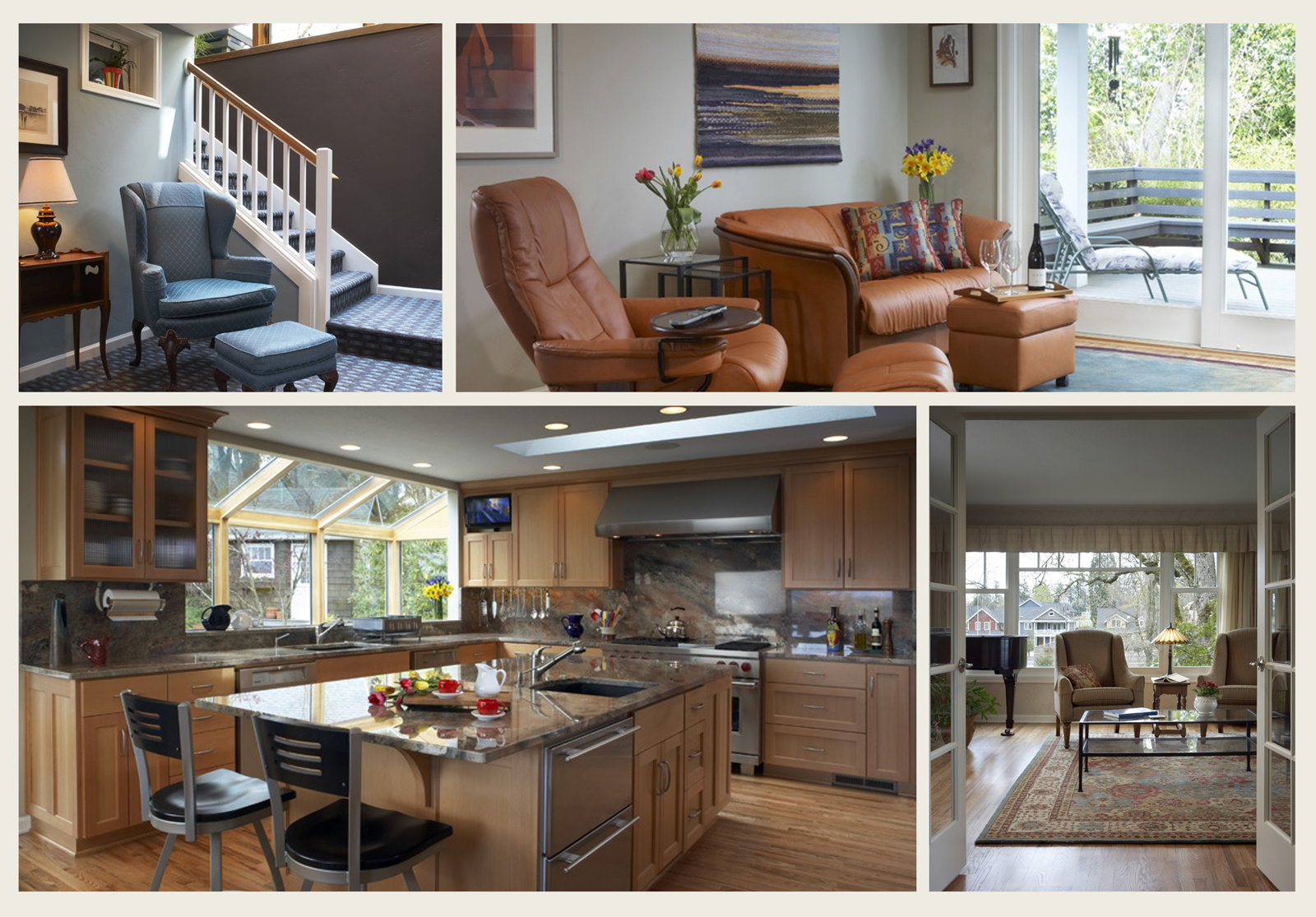
In the Fairmount Hills project, the homeowners initially approached Kraft with a desire to expand their kitchen. As planning began, it became clear that the kitchen’s limitations were closely tied to the home’s overall layout—particularly how circulation and natural light moved through the space.
The solution involved adding onto the back of the home to create a larger, light-filled kitchen. As part of this approach, the original staircase that ran through the center of the home was removed, opening up space and simplifying the relationship between rooms. An existing exterior staircase to the basement was enclosed within the new addition and repurposed as the home’s primary staircase. This approach reimagined the kitchen and living areas in a purposeful way, improving flow, usability, and access to natural light. Generous windows throughout the addition further strengthened the connection to the outdoors.
What began as a kitchen addition ultimately became a cohesive transformation—creating brighter, more intuitive living spaces and a home that supports everyday life far more effectively.
Creating Space That Supports the Life You Want
Homes change because lives change.
What often begins as a desire for more room is rooted in very real challenges: spaces that feel too small, layouts that no longer work, storage that falls short, or daily routines that feel harder than they should. Over time, these issues add friction to everyday life—and they’re often the clearest signal that the home needs to evolve.
A well-designed addition addresses those challenges directly. It creates the space that’s missing, improves how rooms function together, and restores flow to areas that feel cramped or inefficient. When done thoughtfully, it resolves the issues homeowners live with every day—while also making the home more comfortable, enjoyable, and aligned with how they want to live.
Approached with intention, expanding your home isn’t just about adding square footage. It’s about creating space where it’s truly needed, and designing a home that supports daily life with greater ease and confidence.
As you consider what’s next, take a moment to reflect:
What would change if your home finally worked the way you need it to—every day?

Take the Next Step
To learn more about how Kraft Custom Construction approaches remodeling, download the eBook: What It’s Like to Remodel with Kraft: A Guide to Thoughtful Design, Trusted Craftsmanship, and a Home You’ll Love Living In.
If you’re beginning to explore a home addition, a
Home Remodeling Discovery Session can help clarify what’s possible—before decisions feel overwhelming.
Download your personal copy of the eBook - Expanding Your Home With Purpose: How Thoughtful Additions Support the Way You Want to Live by completing the form to the right.