
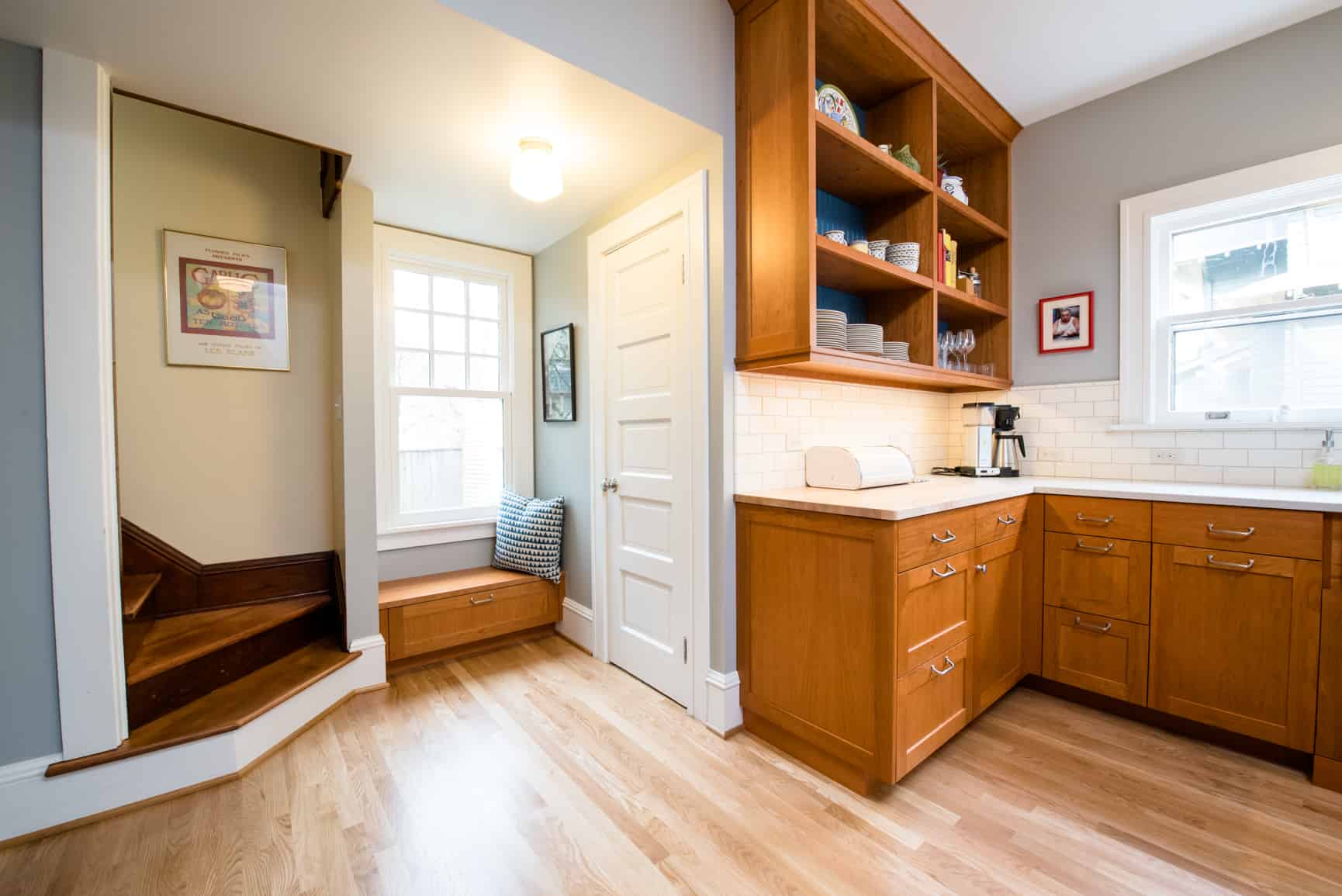
Imagine walking through your home after a remodel and feeling confident in every decision that led you there. The space functions the way you hoped it would. The details feel considered. And the process itself felt steady and well guided. For many homeowners, that sense of assurance is the true measure of a successful remodel.
Yet remodeling often begins with uncertainty. Homeowners know they want change, but they are unsure how to protect their home, their investment, and their peace of mind along the way.
This article walks through how successful remodels take shape, what to look for in the right partner, and how thoughtful planning can help you avoid common regrets before construction ever begins.
Why So Many Remodels Miss the Mark
Most homeowners have heard stories about remodeling gone wrong. They come from television shows, news coverage, or conversations with friends and family. Because of this, people often approach a remodel with caution, determined to avoid costly mistakes but unsure where those mistakes typically begin.
A home is more than a financial asset. It is a personal space tied to daily routines, family life, and long-term plans. Remodeling it carries emotional weight, which makes clarity and trust especially important.
When regrets happen, they are rarely tied to style choices. More often, they stem from early decisions that were made without enough information, expectations that were never fully aligned, or guidance that arrived too late. Many homeowners recall situations where everything sounded reassuring at the start, only to realize later that the framework for the project had never been fully thought through.
The most successful remodels are shaped well before construction begins.
Why Remodeling Without a Clear Plan Creates Risk
When goals are loosely defined, both homeowners and remodelers may be operating from different assumptions. Conversations remain conceptual, and expectations live in people’s heads rather than on paper. Without structure, even well-intended projects can drift off course.
Having ideas is an important starting point, but ideas alone cannot support accurate pricing, realistic timelines, or coordinated execution. A true plan translates those ideas into clear design decisions and detailed specifications that guide every step forward.
Planning is sometimes misunderstood as slowing things down. In practice, it provides stability. The more decisions that are resolved early, the smoother construction tends to be. That upfront effort creates predictability and reduces the likelihood of stressful adjustments later.
Skipping this step rarely saves money. It usually moves uncertainty into construction, when changes are more disruptive and costly.
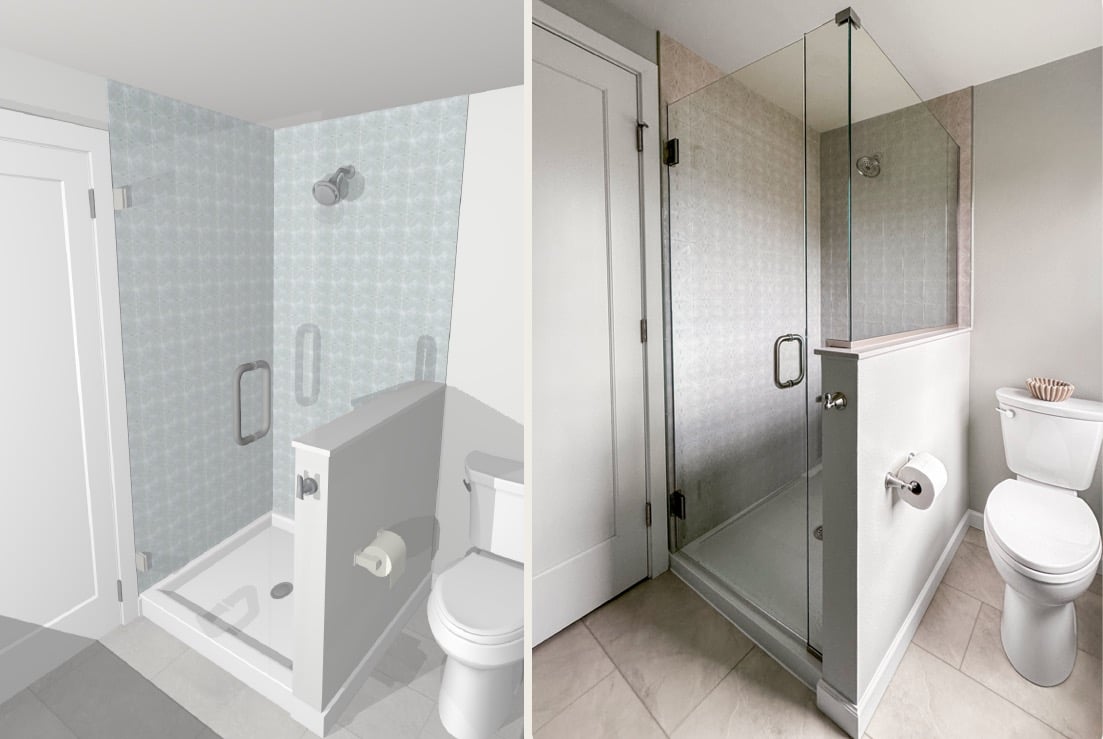
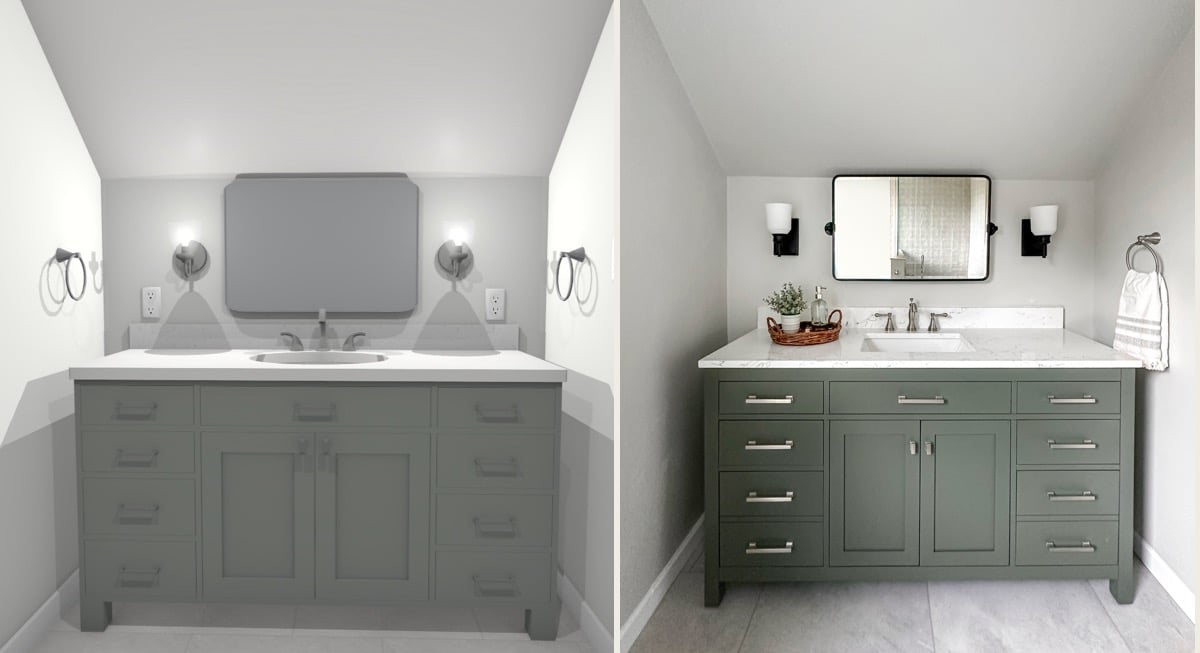
The images below are a great example of how early planning and clear design documentation help ensure the finished space reflects the original intent, rather than evolving through assumptions during construction.
The images on the left show the design renderings and the images on the right show the completed project.
The Value of Up-Front Planning for Budget Confidence
Pre-construction planning gives homeowners the clarity they need to move forward with confidence. When the scope of work is defined before construction begins, the budget reflects reality rather than assumptions.
Many homeowners are surprised by how much coordination thoughtful planning requires. It often includes:
- Professional evaluation to identify design and technical considerations early
- Space planning that supports how the home is used day to day
- Detailed selections of materials and fixtures, including smaller finish details
- Planning for mechanical, electrical, and plumbing systems
- Visual tools that help homeowners understand the finished space
- Input from trade partners to confirm feasibility and pricing
- Coordination with structural engineers or other specialists when needed
- Permit planning and documentation
- A clearly defined scope of work that can be priced accurately
Addressing these elements early minimizes uncertainty once construction begins. Changes are far easier to manage on paper than on a jobsite.
An honest budget is far more useful than an overly optimistic one. Accurate information allows homeowners to weigh options, make informed adjustments, and proceed with realistic expectations rather than assumptions that introduce risk.
A clear plan leads to fewer surprises and more confident decisions.
Why the Right Fit Remodeler Matters as Much as the Design
While cost and timeline matter, they are rarely accurate after an initial phone call or site visit. A well-considered remodel takes time to develop and price, making trust in your remodeling partner far more important than early assumptions when deciding who to work with. This is why finding the “right fit” remodeler—someone who understands your goals, your home, and how you want to live in it—is such a critical first step.
Homeowners benefit from working with someone they trust and communicate well with. Transparency around process, cost drivers, and project complexity helps set realistic expectations as planning unfolds. A remodeler who explains difficult information early, whether related to scope, budget, or site conditions, reduces uncertainty and helps prevent disappointment later.
Equally important is respect for how homeowners live in their space. Listening carefully and asking thoughtful questions leads to better decisions and stronger alignment throughout the project, without requiring homeowners to manage every detail along the way.
The right remodel partner provides guidance, not pressure. They act with integrity, move the project forward with intention, and make decisions that prioritize the homeowner’s best interest, even when that requires honest conversations.
Quality and Craftsmanship as Long-Term Value
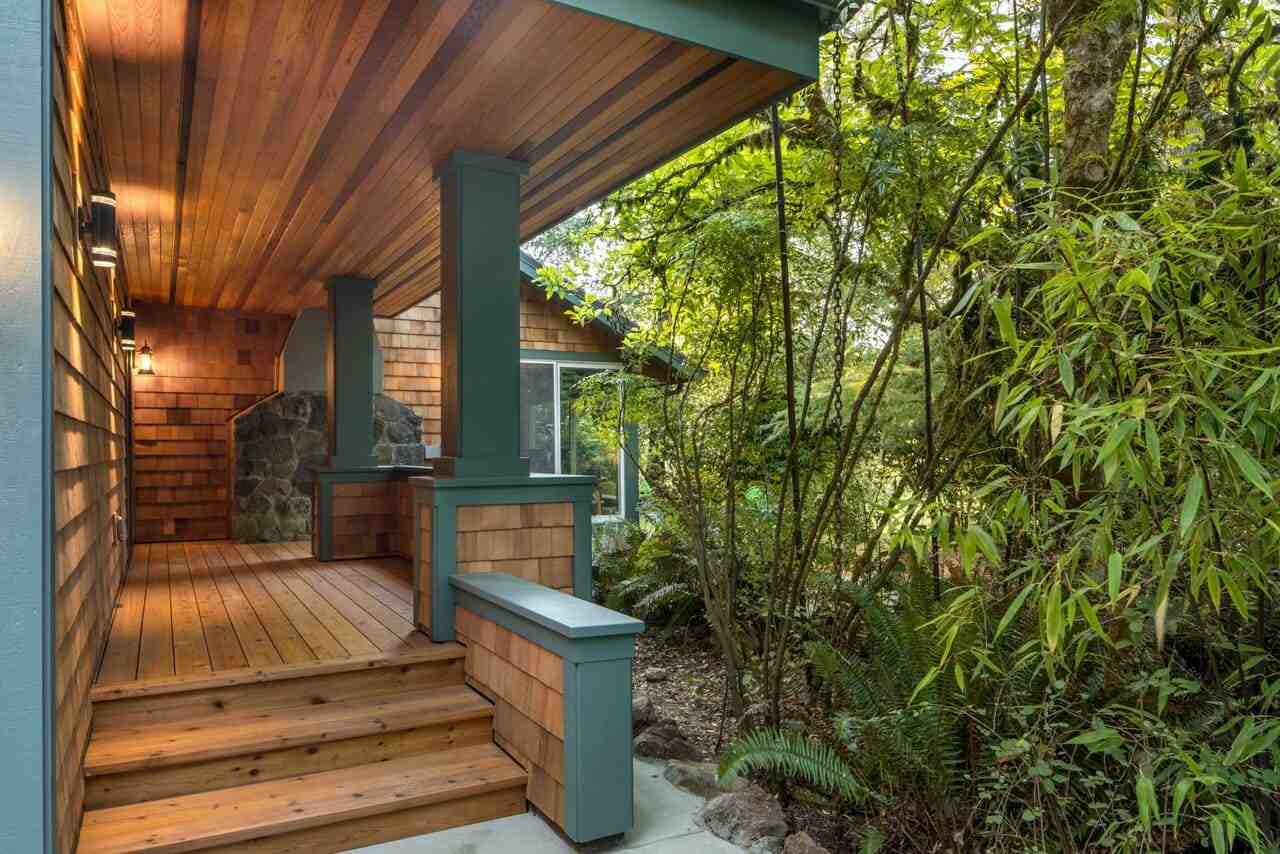
A remodel should be evaluated not only by how it looks on completion day, but by how it performs over time. Shortcuts taken to reduce cost or speed up construction often reveal themselves later through wear, inefficiency, or the need for rework.
Once homeowners understand what it truly takes to remodel well, they are better positioned to value thorough planning and skilled execution rather than rely on early estimates alone. Price and timeline alone do not fully reflect craftsmanship, coordination, or long-term durability.
High standards and skilled workmanship support comfort, functionality, and longevity. They also ensure the remodel continues to serve the home – and homeowners – well, long after construction ends.
How to Know You’re Setting Yourself Up for Success
Homeowners can feel more confident when certain fundamentals are in place:
- Goals are clearly defined and documented
- Budget expectations are honest and realistic
- The remodeler listens and communicates openly
- Key decisions are made before construction begins
- Skilled craftspeople manage the work with care and accountability
When these elements come together, the likelihood of regret decreases significantly. Most remodeling challenges can be traced back to gaps in planning, communication, or alignment.
A More Thoughtful Way to Remodel
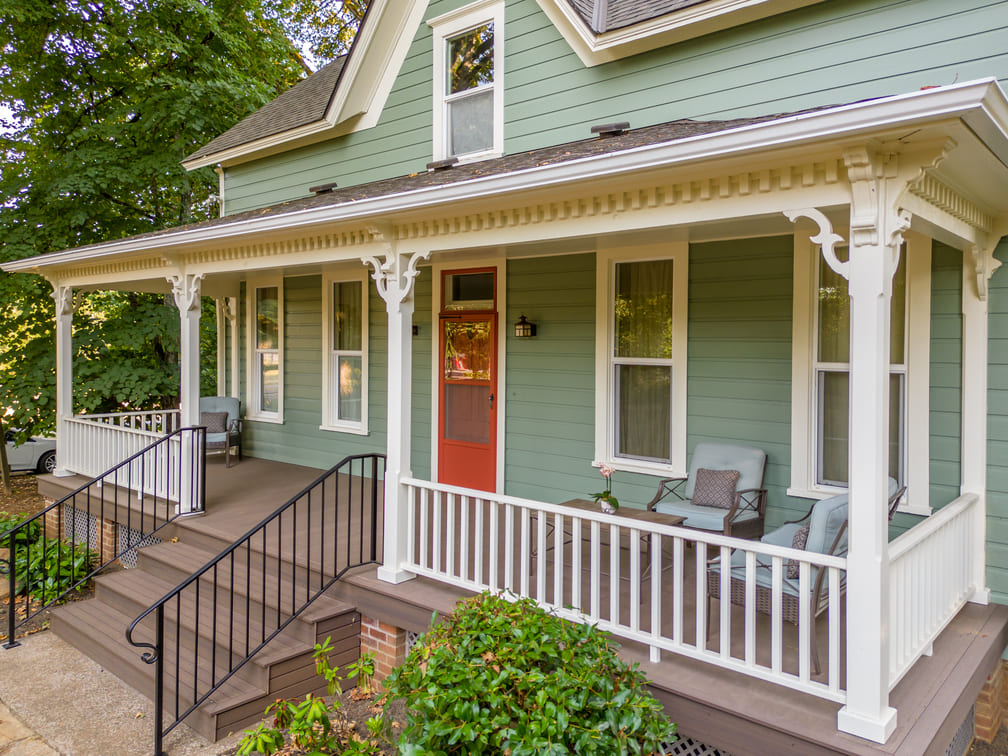
Getting a remodel right the first time is not about moving quickly or minimizing upfront effort. It is about planning with intention, choosing a partner you trust, and working with people who value integrity, craftsmanship, and clarity.
For homeowners who want guidance and a steady approach, Kraft Custom Construction serves as a resource throughout the planning and remodeling process, helping clients explore possibilities and make informed decisions before construction begins.
To continue learning, you may find the eBook From Outdated to Outstanding: A Home Remodeling Guide helpful as you think through preparation and planning.

If you are beginning to consider a project and want to understand what a discovery conversation involves, you can explore that next step here.
That sense of confidence described at the beginning of this article is not accidental. It is built through thoughtful planning, clear communication, and a remodel guided with care from the very start.